The Colony's Storm Risk, Honestly Stated
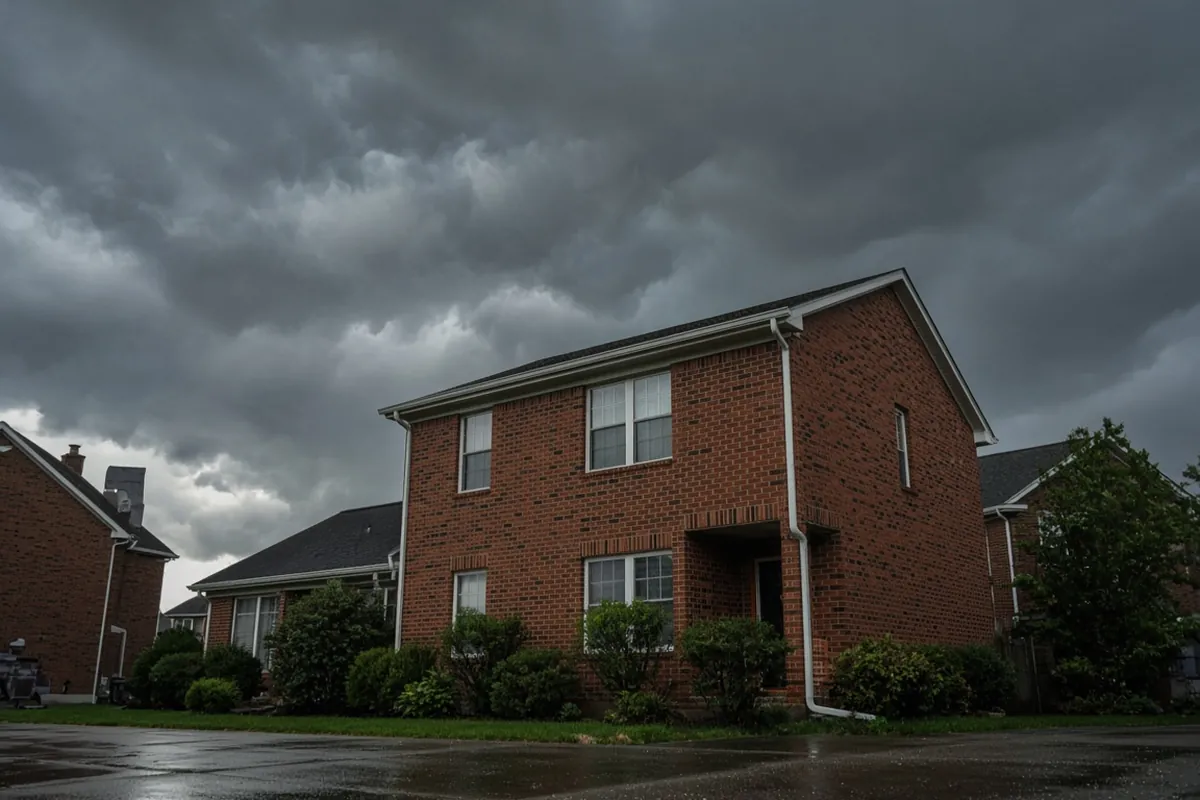
Living beside Lewisville Lake means living in the path of fast-building spring and fall storm cells: straight-line winds that lift shingles and drive rain sideways, hail, and rainfall intense enough to overwhelm street drainage and push water under doors. Shoreline neighborhoods like Stewart Peninsula and The Tribute take wind and water first; inland subdivisions get the drainage overflow and the fallen limbs. Preparation is not about fear. It is about knowing that in this ZIP code, water entry is a when, not an if, over a long enough ownership.
Before the Season: The One-Hour Walk-Around
Roof: from the ground with binoculars, look for lifted, curled or missing shingles and cracked flashing around vents and chimneys, the entry points behind most ceiling leaks. Gutters and drainage: clear gutters and downspouts, and confirm downspouts discharge well away from the slab; standing water against the foundation is tomorrow's interior flood. Seals: check caulk and weatherstripping at windows and doors on the lake-facing side of the house. Trees: dead limbs overhanging the roof are storm breaches waiting for a date. Have them removed in the calm season. Yard grading: soil should slope away from the house on every side.
Know Your Shutoffs and Your Panel
Storm water plus electricity is the lethal combination, and storm water plus a burst interior line is the expensive one. Locate your main water shutoff (meter box at the curb or the valve near the front hose bib) and confirm it turns. Our pipe freeze shutoff guide walks through both, and the knowledge transfers directly. Label your breaker panel for the rooms most likely to flood: entry, garage, and any room below roof valleys. Photograph your home's rooms and belongings on a calm day, for your own records.
When a Storm Is Forecast
Move patio furniture and anything loose indoors. Raise stored items in the garage and ground-floor rooms off the floor onto shelves or blocks, the first two inches are where flood damage lives. If your street is one of the low ones that holds water, sandbags or a door-dam at the garage and entry thresholds buy real protection. Charge phones, and keep this number where you can find it in the dark.
The First Hour After Water Gets In
Safety before property: never enter water that may be in contact with outlets or appliances, and switch off power to affected areas only from a dry position. Photograph water lines and entry points before moving anything. Then call. The storm damage cleanup sequence (source control, extraction, sanitization, verified drying) is built for exactly this hour, and outdoor water is always treated as contaminated, as the flood restoration page explains. In Texas humidity, mold has a 24-to-48-hour head start clock; the first hour is how you beat it.
Preparation cannot stop the storm. It can decide whether the storm becomes a story you tell or a renovation you fund, and nearly all of that decision is made in one calm hour, before the season starts.
Storm damage in progress, or found water after a storm?
Call 24/7: (972) 430-3265