Sewage Backup & Black Water Cleanup in The Colony, TX
Category 3 biohazard extraction, EPA-registered antimicrobial sanitization, and odor neutralization for toilet overflows and main sewer line backups.
The Extreme Health Hazards of Category 3 Black Water
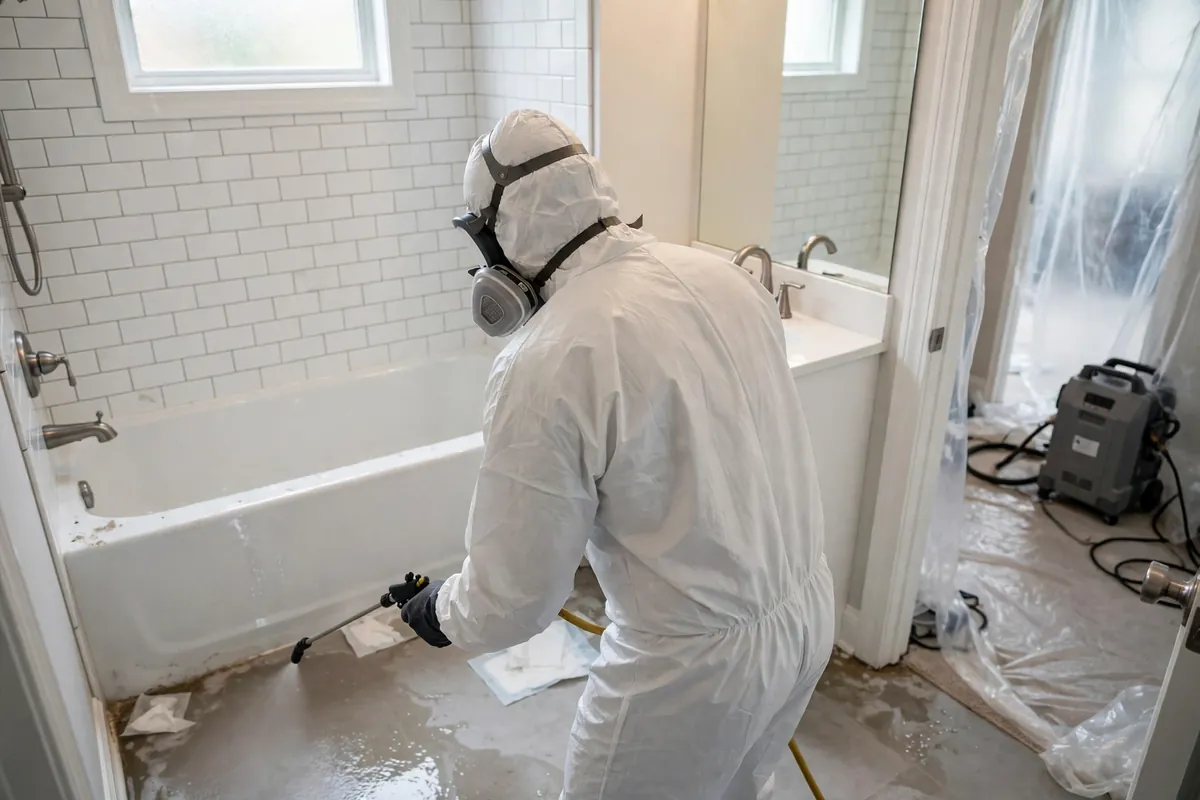
Sewage overflows contain severe biological contaminants, including E. coli, Salmonella, hepatitis viruses, and hazardous parasitic pathogens. Under industry water damage guidelines, Category 3 black water requires full containment, negative air pressure scrubbers, and specialized hazmat protocols:
- Never touch sewage water: Direct contact or inhaling aerosolized droplets causes acute gastrointestinal and respiratory illnesses.
- Porous items cannot be saved: Flooded carpets, carpet padding, and porous drywall beneath the waterline must be safely removed and disposed of under Texas biohazard handling laws.
- Subfloors must be sterilized: Concrete slabs and wooden joists require professional EPA-registered antimicrobials before drying.
4-Stage Sewage Sanitization Protocol
1. Containment & HEPA Negative Air
Technicians establish containment barriers and hallways with 6-mil poly containment barriers and establish negative air filtration to prevent airborne bio-contaminants from circulating throughout your HVAC system.
2. Biohazard Sludge & Liquid Pumping
Commercial waste extraction units safely remove standing black water, toilet paper waste, and contaminated sediment directly into sealed waste holding containers.
3. Controlled Demolition of Saturated Porous Materials
Contractors perform standard flood cuts on affected drywall and safely bag contaminated padding and baseboards according to Denton County environmental standards.
4. Botanical Antimicrobial Fogging & Deodorization
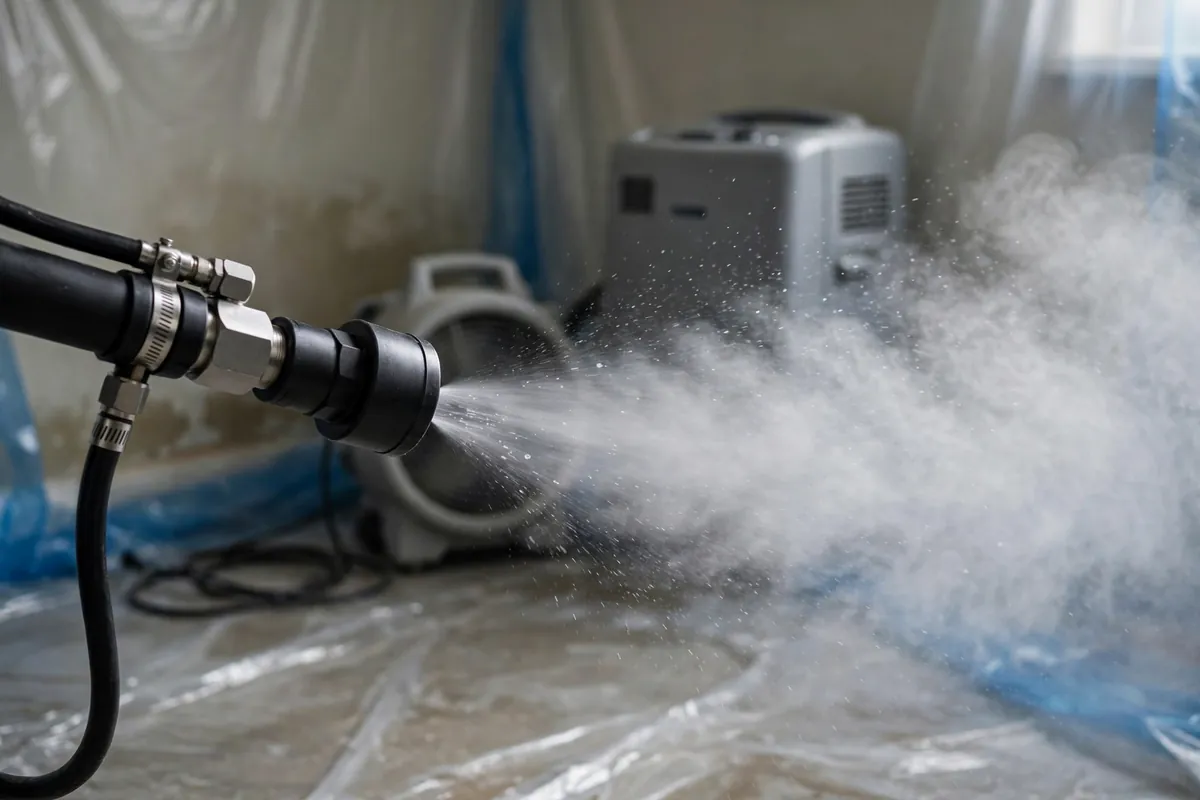
Structural framing is treated with EPA-registered biocides and deploy hydroxyl and ozone generators to eradicate odor-causing bacteria permanently.
Hazardous Contaminant Remediation
Many North Texas homeowners carry water and sewer backup endorsements on their home policies. Independent contractors compile moisture logs and photographic documentation that property owners can retain for their records.
Sewage Backups in The Colony: Common Causes
Most residential backups trace back to three causes. Tree roots invade older clay and cast-iron laterals through joints, building a net that catches everything flushed past it. Grease and so-called flushable wipes narrow newer lines from the inside until a heavy-use day overwhelms them. And storm surcharge, when heavy rain overwhelms the municipal system, pushes water back through floor drains and lowest fixtures, which is why backups often arrive during the same storms that drive flood damage.
Knowing the cause matters for cleanup scope, not blame. A root-blocked lateral will back up again until the line is cleared, so sanitization is sequenced with the fix: extract and contain now, sanitize fully once the line is flowing. Whatever the cause, standing sewage is never a wait-and-see situation, the extraction and containment stage should start the same day.
Neighborhoods Served Across The Colony
Sewage response is connected across ZIP 75056. Older lateral lines in North Colony and parts of Legend Crest produce the root-invasion cases; low-lying streets near the lake in Stewart Peninsula and The Tribute see the storm-surcharge backups; Austin Ranch and the Cascades most often call for single-fixture blockages caught early.
From lakefront streets in Stewart Peninsula to the townhomes around Austin Ranch and family subdivisions off FM 423, connected crews work across every part of ZIP 75056, including The Tribute, Cascades at The Colony, Legend Crest and North Colony. Wherever the water is, the response starts with one call to (972) 430-3265.
Before Help Arrives: Protecting Your Family From Sewage
Sewage is Category 3 water. It can carry bacteria, viruses and parasites, so the safest plan is to keep everyone away from it until trained help arrives.
- Stop using water in the house. No flushing, showers, laundry or dishwasher. Every gallon sent down the drain can come back up.
- Keep children, pets and anyone with a weak immune system out of the affected area and away from shared air if possible.
- Do not try to clean it up yourself with household cleaners and a mop. Without protective equipment, splashes and aerosols are a real exposure risk.
- Turn off the HVAC system if the return vents are in or near the contaminated area.
- Shut off power to the affected area at the panel, only if the panel is dry and you do not have to walk through the water to reach it.
- Wash hands thoroughly and change clothes if you had any contact with the water.
If the backup came from the city side of the line during heavy rain, neighbors may be dealing with the same problem. A plumber or the city utility can help determine where the blockage is.
Questions to Ask the Contractor Before Sewage Cleanup Starts
Sewage cleanup is about removal, disinfection and proof that the area is safe again. Contractors reached through this line are independent local businesses, and these questions help you understand their plan.
- What will be removed? Porous materials that touched sewage, such as carpet, pad and lower drywall, are usually removed. Ask for a room by room list.
- How will the area be contained? Ask how they will keep contaminated air and debris from reaching clean rooms.
- What disinfectant is used, and on which surfaces? Hard surfaces like tile and sealed concrete are cleaned and treated rather than removed.
- How is waste handled and disposed of? Contaminated debris should be bagged and removed in a controlled way.
- When is it safe for my family to use the room again? Ask what they check before they call the job finished.
Ask to see the contractor's license and insurance, and read the written scope before signing.
Sewage Cleanup: Common Questions
Why is sewage backup water so dangerous?
Sewage is Category 3 water, the most contaminated class. It carries bacteria, viruses and parasites from the drain system, and it soaks into porous materials where surface cleaning cannot reach. That combination is why sewage losses follow a strict removal-and-sanitization protocol instead of ordinary cleanup.
Can I clean up a sewage backup myself?
For a small, clean-water spill, yes. For anything involving sewage or drain water, no. Without full protective equipment, containment and proper disinfectants you expose yourself and spread contamination to clean areas on shoes and tools. Keep people and pets out of the room and call for a professional sanitization crew.
What has to be thrown away after a sewage backup?
Porous materials that absorbed Category 3 water generally cannot be sanitized reliably: carpet padding, soaked carpet, upholstered furniture, mattresses and wicked drywall are removed and disposed of. Hard surfaces (tile, sealed concrete, fixtures) can be cleaned, disinfected and verified safe.
How is the area sanitized after sewage removal?
Contaminated water and material are extracted and removed first. Then all remaining surfaces are cleaned and treated with EPA-registered disinfectants rated for Category 3 losses, followed by odor neutralization and verified drying. The sequence matters: disinfecting before removal just pushes contamination deeper.
When can the room be used again after sewage cleanup?
Once sanitization is complete, the structure is verified dry by moisture meter, and no contaminated material remains. Your technician documents each stage (extraction, removal, disinfection, drying) so you have a record of exactly what was done before the room returns to normal use.