Burst Pipe & Slab Leak Cleanup in The Colony, TX
Water shutoff guidance, ceiling drainage, and structural dryout for frozen pipes, slab leaks, and water heater failures.
North Texas Winter Freezes & Slab Leak Risks
In North Texas, homes built on concrete post-tension slabs frequently experience shifting soils that stress copper and PEX plumbing lines. During winter cold snaps or summer foundation shifts in The Colony, pressurized pipes can burst inside attic spaces or beneath concrete foundations:
- Attic Pipe Bursts: Saturated insulation collapses drywall ceilings into bedrooms below.
- Slab Leaks: Water pushes up through concrete floors, warping hardwood and dampening carpets.
- Water Heater Tank Failure: 50+ gallons of boiling water flooding utility closets and hallways.
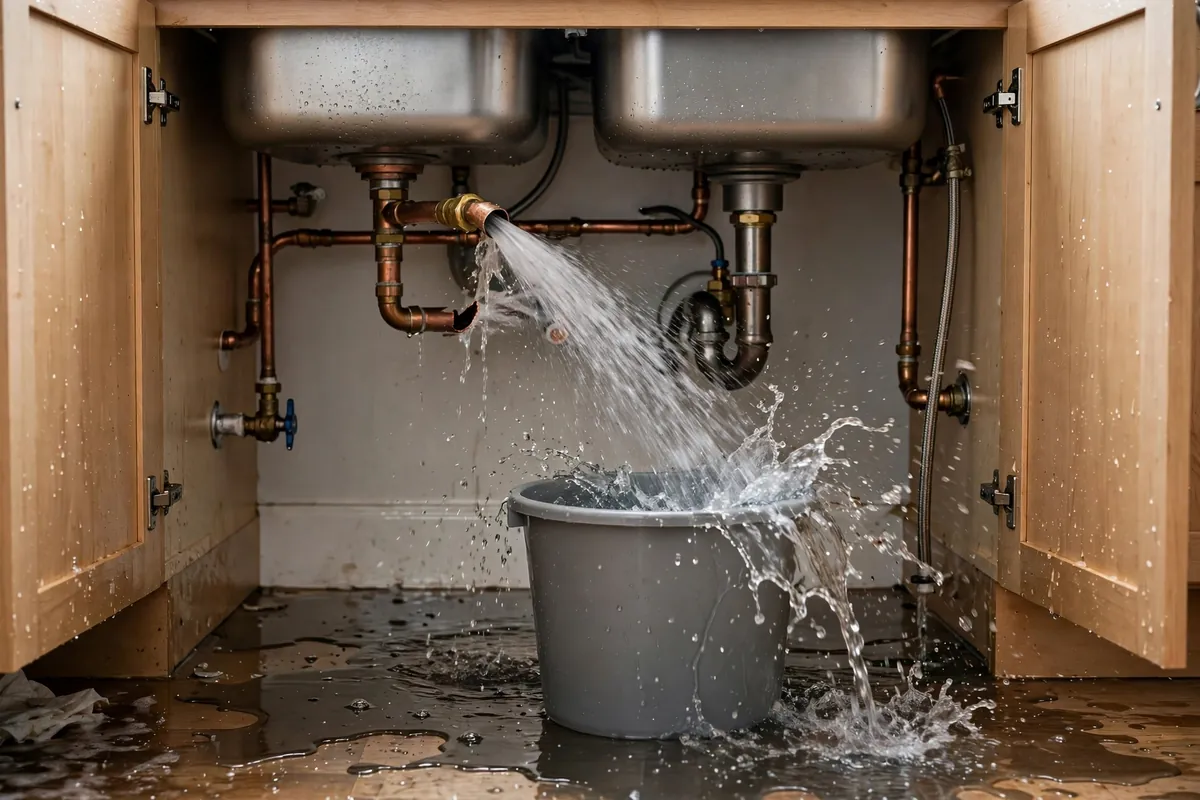
Step-by-Step Burst Pipe Emergency Protocol
1. Immediate Water Shutoff & Source Isolation
Independent technicians locate and shut off your municipal meter curb stop or home main valve if you cannot access it, stopping hundreds of gallons of ongoing flooding.
2. Overhead Ceiling Drainage & Debris Clearing
Technicians carefully drain water trapped above sagging drywall ceilings to prevent catastrophic collapse, removing wet insulation and damaged drywall sheets.
3. High-Capacity Subfloor Extraction
Truck-mounted extractors vacuum water from flooded carpet, hardwood, and tile before subfloor concrete absorbs residual water.
4. Comprehensive Moisture Documentation
Contractors photograph affected plumbing sections, measure moisture migration, and document all structural dryout metrics according to industry standards.
Where Pipes Fail in The Colony Homes
Freeze splits get the headlines, but local pipe failures follow patterns. Attic lines burst in hard freezes because North Texas attics are vented to outside air. Exterior-wall runs freeze where insulation is thin. Water heaters in garages and attic pans fail by corrosion, often after a decade of silent rust. And slab lines develop pinhole leaks from soil chemistry and decades of micro-movement, the slow failure behind the warm floor spot and the unexplained bill.
Each failure floods differently. An attic burst rains through ceilings and wall cavities and needs ceiling drainage before extraction. A slab leak saturates from underneath, which is why it has its own dedicated page: slab leak water cleanup. Whatever the source, the sequence after shutoff is identical: emergency extraction, moisture mapping, and verified drying. Our pipe freeze shutoff guide walks through the valve-by-valve steps for the next freeze.
Neighborhoods Served Across The Colony
Pipe failures do not respect subdivision lines, and neither does the response. Crews are connected across ZIP 75056: older lines in North Colony and Legend Crest, attic runs in Austin Ranch and the Cascades, and lakeside homes in The Tribute and Stewart Peninsula where winter wind off Lewisville Lake drops temperatures fastest.
From lakefront streets in Stewart Peninsula to the townhomes around Austin Ranch and family subdivisions off FM 423, connected crews work across every part of ZIP 75056, including The Tribute, Cascades at The Colony, Legend Crest and North Colony. Wherever the water is, the response starts with one call to (972) 430-3265.
Before Help Arrives: Safe Steps After a Pipe Bursts
The minutes after a pipe splits decide how much of the house gets wet, and most of what helps is free. Start at the source. Close the main valve, then open the lowest faucet in the house to drain the lines so pressure stops pushing water through the break. If water is running near outlets, a power strip or a ceiling fixture, switch that circuit off at the breaker panel, but only if you can reach the panel without standing in water.
- Check the ceiling below the break. A sagging, bulging patch of drywall is holding water. Keep people out from under it rather than poking it with a broom handle in a room full of furniture.
- Lift what can move. Rugs, electronics, paper boxes and anything stored on the floor of a closet will wick water for hours. Move them to a dry room.
- Put foil or wood blocks under furniture legs so wood and fabric stop drinking from wet carpet.
- Photograph the split pipe and every wet room before anything is cleaned, so you have your own record of where the water went.
- Leave wet drywall and wet carpet pad in place for now. Pulling them by hand spreads water and makes it harder for a technician to read the damage.
A shop vacuum can take up shallow surface water in a small area, but it cannot reach water that has run under baseboards, into wall cavities or beneath the slab edge. That hidden water is the reason a moisture check matters even when the floor looks dry by evening.
Questions to Ask the Contractor Before Work Starts
Every contractor reached through this line is an independent local business, so it is fair and normal to ask a few direct questions before you sign anything. Good contractors expect them.
- How will you find the water I cannot see? Listen for moisture meters and thermal imaging, not a visual walk through.
- What needs to come out, and why? Ask which materials can be dried in place and which cannot, room by room.
- How will I know the house is dry? The answer should be daily meter readings compared with an unaffected area of the home.
- Who coordinates with the plumber? The pipe repair and the drying need to happen in the right order.
- Can I see your license, insurance and a written scope? Read the work authorization before you sign it, and keep a copy.
Asking these questions protects you and gives you a clear picture of the job from day one. If an answer feels vague, it is fine to ask for it in writing.
Burst Pipe Cleanup: Common Questions
Where is my main water shutoff valve?
On most The Colony homes it is in the meter box near the street curb, or on the wall near the front hose bib. Turning it clockwise stops all water into the house. If the meter-box valve is stiff, a standard meter key from any hardware store turns it. Shut the water off first, then call.
What are the signs of a slab leak?
A floor that feels warm in one spot, the sound of running water when nothing is on, a water bill that jumps without explanation, damp flooring or new cracks in tile and walls. Slab leaks saturate the soil and subfloor silently, so the water damage side needs attention as soon as a leak is suspected.
How do frozen pipes actually burst?
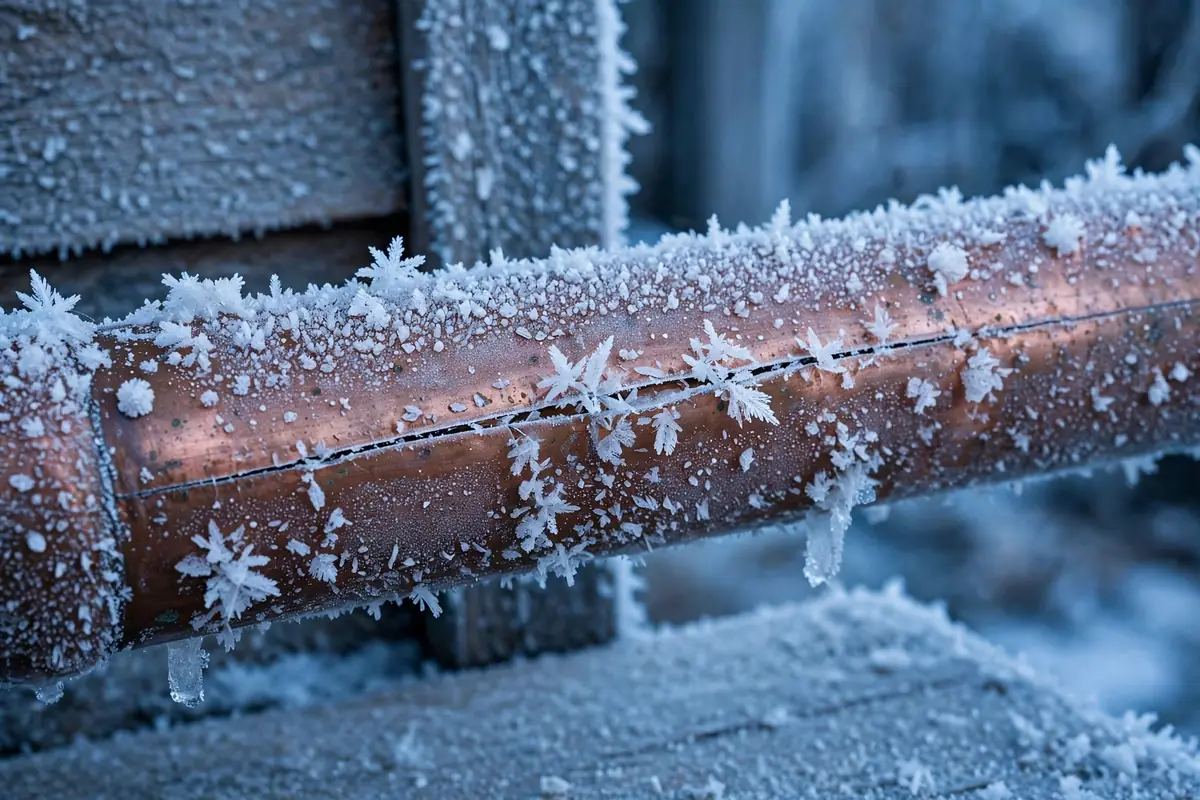
When water freezes inside a pipe it expands, and the pressure it creates, often thousands of PSI with nowhere to go, splits the pipe wall or pushes a fitting apart. The flood usually starts at thaw, when full pressure returns to the split. North Texas freezes catch pipes in exterior walls and attics most often.
What should I do right after shutting off the water?
Open faucets to drain pressure from the lines, switch off breakers for wet rooms, photograph the damage for your records, and move belongings off wet floors if it is safe. Then get extraction started. Drywall and flooring begin absorbing water immediately.
Can wet drywall be saved after a pipe burst?
Often, yes, if the water was clean and extraction and drying start within the first 24 hours. Drywall that has wicked water high up the wall, stayed wet for days, or been contaminated usually has to be cut out. A moisture meter, not guesswork, decides which sections can be dried in place.