Lake Lewisville Flood & Storm Damage in The Colony, TX
Specialized lakeside flood pumping, sediment extraction, and high-velocity structural dryout for severe North Texas thunderstorm runoff and rising lake levels.
Lakeside Flooding Dynamics in The Colony, Texas
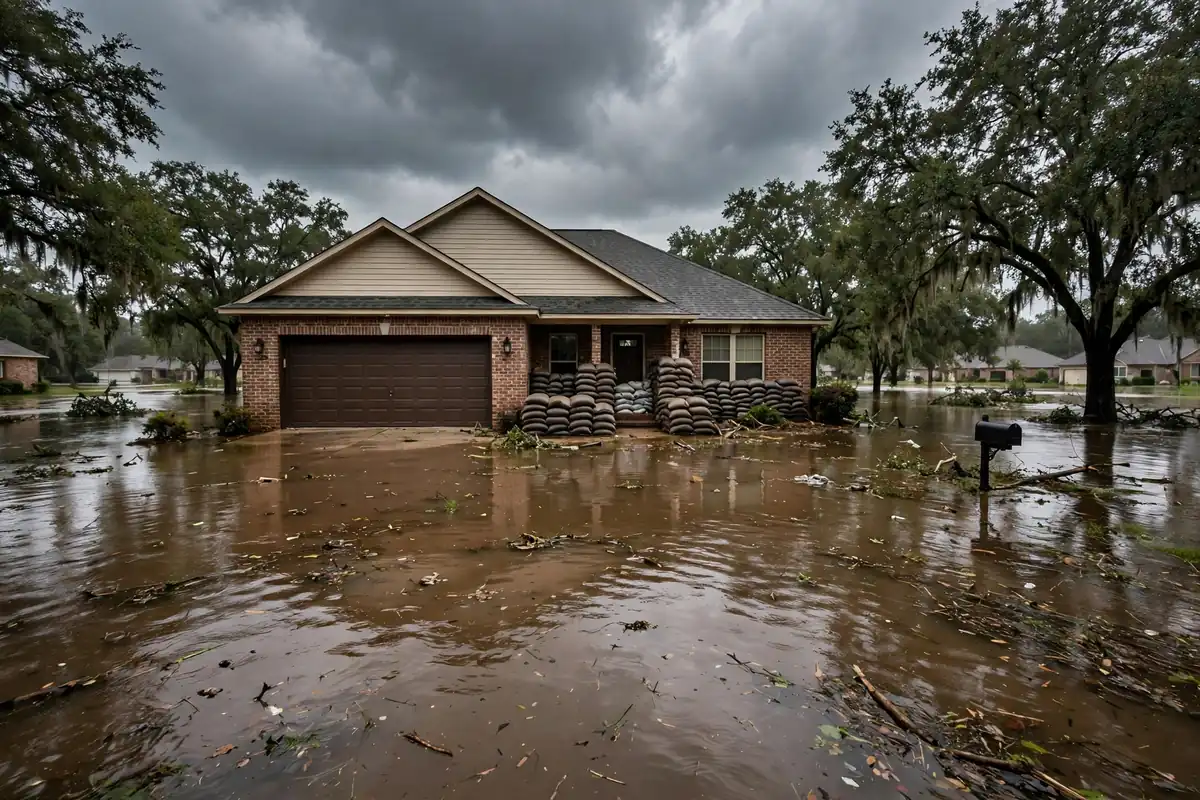
Properties bordering Lake Lewisville, particularly within The Tribute and Stewart Peninsula, face unique seasonal hydrological risks. Heavy torrential downpours across the Trinity River watershed elevate lake levels, pushing water through drainage ditches into low-lying driveways, crawlspaces, and residential ground floors.
Storm floodwaters are classified as Category 3 Black Water because they wash soil bacteria, lawn chemicals, pesticides, and road oils directly into your living spaces. Immediate containment and industrial pumping are essential.
Storm Damage Mitigation Process
1. Flood Water & Mud Pumping
Contractors deploy high-volume extraction pumps and truck extractors to remove hundreds of gallons of muddy storm runoff and silt from submerged floors.
2. Controlled Silt & Sediment Extraction
Lakeside floodwaters leave behind thick layers of contaminated lake sediment. Technicians clean, pressure wash, and extract all residual mud from garages, basements, and foundation slabs.
3. Deep Thermal Desiccant Drying
Because exterior brick and concrete foundations absorb massive volumes of hydrostatic water, commercial desiccant dehumidifiers are deployed to draw out trapped masonry moisture.
4. Structural Sanitization & Antimicrobial Wash
Floodwaters introduce silt, organic debris, and outdoor contaminants. Technicians apply EPA-registered antimicrobial washes to prevent bacterial colonization.
Property Damage Documentation
Independent technicians provide detailed psychrometric moisture logs and photographic documentation to maintain complete, accurate structural records of all restoration work.
Lake Lewisville Shoreline Risk: Who Floods First
The Colony's flood map is drawn by the lake. Stewart Peninsula streets sit closest to the Lewisville Lake shoreline and take wind-driven water and drainage overflow first. Low lots in The Tribute channel runoff toward slab edges during the intense spring storm cells that roll off the lake. Inland, the risk shifts rather than disappears: overwhelmed storm drains along the SH-121 corridor and FM 423 push street water into garages and first floors in Austin Ranch, the Cascades and North Colony.
After any of these events, the work splits in two: the flood restoration on this page, and the wind-and-roof side covered by our storm damage cleanup page. Both begin the same way: safety checks, extraction, then sanitization, because outdoor floodwater is always treated as contaminated.
After the Water Recedes: The First 24 Hours
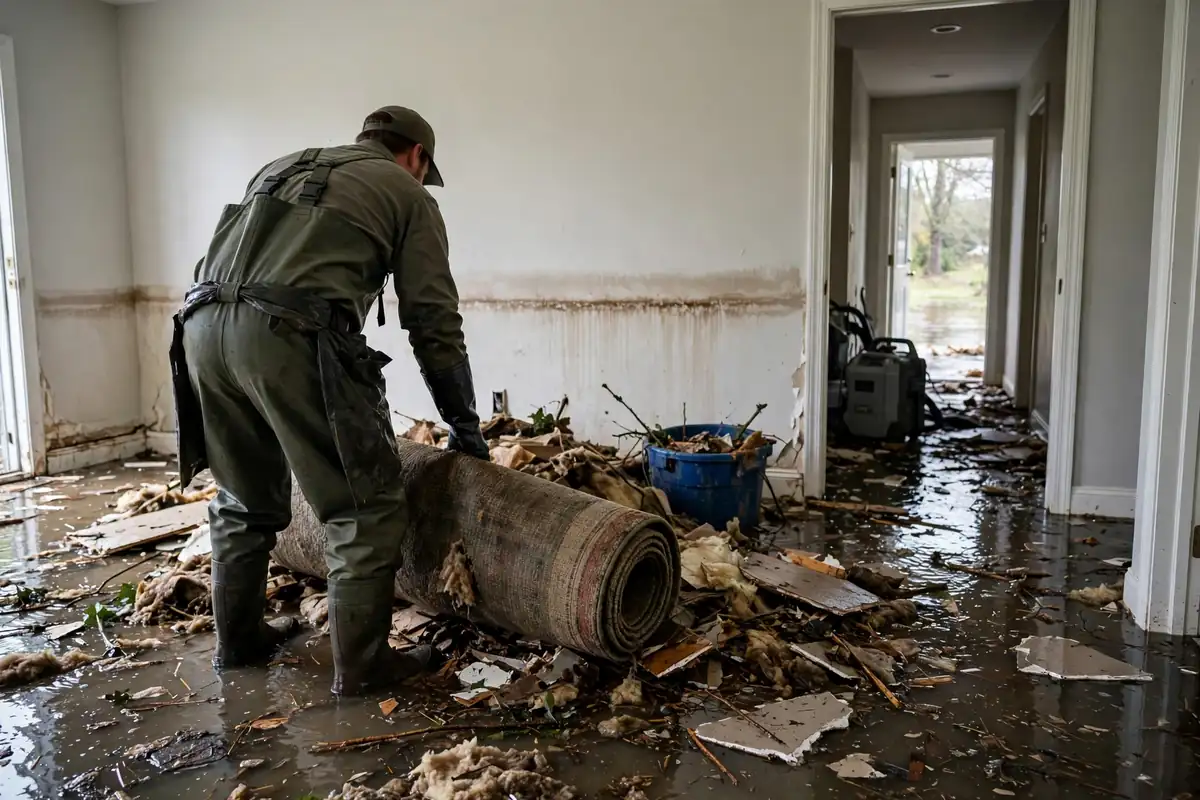
Hour one is about safety: stay out of water near outlets or appliances, and shut off power to flooded areas only from a dry position. As water recedes, photograph high-water lines and damage for your records before anything is moved. Porous materials that drank floodwater (carpet pad, soaked drywall, upholstered furniture) are documented and removed in the controlled sequence described above, while hard surfaces are washed, disinfected and put under verified structural drying.
The 24-hour mark matters because of what floodwater leaves behind: Category 3 contamination plus Texas humidity is the exact recipe for the mold colonies covered on our mold remediation page. Our storm season preparation guide covers the before-the-storm side, drainage checks, shutoff locations and the supplies worth having on hand.
Before Help Arrives: Staying Safe Around Floodwater
Floodwater that came in from outside is treated as contaminated. It carries soil, lawn chemicals, fuel residue and whatever was in the storm drains. The first job is to stay safe; the second is to limit what the water reaches.
- Do not walk through water that may be touching electrical outlets or cords. If you cannot safely reach a dry breaker panel, wait for help outside the room.
- Wear boots and gloves if you must enter. Wash skin that touches floodwater with soap and clean water.
- Watch for structural warning signs: sagging ceilings, bowed walls, doors that suddenly stick, or a smell of gas. Leave the home if you notice any of them.
- Keep children and pets out of every room the water reached, including garages.
- Photograph the high water line on walls, cabinets and furniture before anything is moved.
- Do not run the HVAC system if water reached ducts, returns or the air handler.
Food, medicine and cosmetics that touched floodwater should be thrown away. Hard toys, dishes and metal items can usually be cleaned and disinfected later, so set them aside instead of discarding them in a hurry.
Questions to Ask the Contractor Before Flood Cleanup Starts
Flood cleanup usually means removing materials, so it pays to understand the plan before anything comes out of the house. Every contractor reached through this line is independent, and these questions are normal to ask.
- How high will you cut the drywall, and why that height? The cut line should follow moisture readings, not a fixed number.
- Which contents can be cleaned and which should go? Ask for a list of what is removed.
- How will wall cavities and insulation be checked? Wet insulation behind dry looking paint is common after a flood.
- What cleaning and antimicrobial steps follow removal? Ask what product is used and where.
- How will drying be confirmed? Daily readings against a dry reference point in the home are the standard to look for.
Ask to see the contractor's license and insurance, request a written scope, and keep copies of photos and readings for your own records.
Flood Damage Restoration: Common Questions
Is flood water handled the same as a burst pipe?
No. Water entering from outdoors is treated as contaminated Category 2 or 3: it carries soil, chemicals and microorganisms from streets, yards and the lake shoreline. Flood losses add mud and debris removal and full sanitization steps that a clean supply-line leak does not need.
What should I do when floodwater enters my home?
Safety first: never wade into water that may be energized by outlets or appliances, and turn off power to affected areas only if you can do so dry. Photograph water lines and damage for your records, keep children and pets out, and get extraction and sanitization started as soon as the water recedes.
Can flooded hardwood or laminate floors be saved?
Laminate almost never survives saturation. The core swells and delaminates. Solid hardwood sometimes can be saved if extraction and professional drying start within the first day, before cupping sets in. Engineered wood falls in between. Moisture readings under the floor decide what is realistically recoverable.
How are mud and debris handled after a flood?
Bulk mud and debris are removed first, then contaminated water is extracted, unsalvageable porous materials are taken out, and all remaining surfaces are washed and disinfected. Only then does structural drying begin. It is a sequenced mitigation process, not a single cleanup visit.
How long does flood restoration take?
Extraction and debris removal usually happen on day one. Sanitization follows, and verified drying typically runs three to five days depending on how deep water penetrated walls and floors. The job is finished when meter readings confirm dry baseline. Rushing that step is how post-flood mold colonies begin.