Storm Damage Cleanup in The Colony, TX
Wind-driven rain, breached rooflines and fast-rising water, when a Texas storm gets inside your home, we connect you with professionals who remove the water, clean the damage, and dry the structure dry-baseline verified.
What Texas Storms Do to The Colony Homes
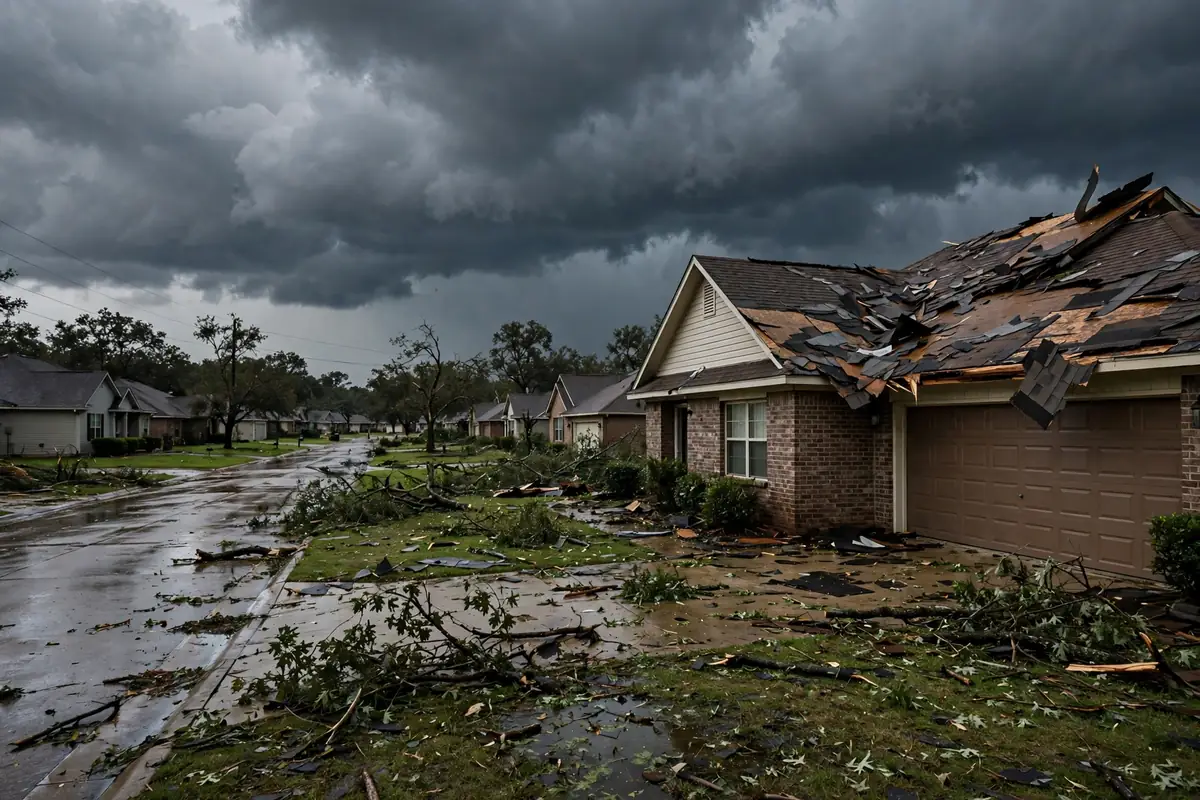
Storms rolling off Lewisville Lake arrive with the full North Texas toolkit: straight-line winds that lift shingles and drive rain sideways into flashing and window seals, hail that opens rooflines, and rainfall rates that overwhelm street drainage and push water under doors and into garages. The water damage that follows is rarely one thing. A single storm can mean a leaking ceiling upstairs, a flooded entry downstairs, and a saturated garage wall, all from different entry points.
Storm water is also never clean water. What enters through a roof carries shingle grit, attic dust and insulation fibers; what enters at ground level carries soil, street runoff and everything the yard holds. Both are treated as contaminated from the first hour, which is why storm cleanup is a sequenced mitigation, not a mop-up, and why our storm season preparation guide stresses knowing your shutoffs and drainage before the sky turns.
Storm Damage Cleanup, Step by Step
1. Safety Check & Source Control
Electrical hazards are isolated first. Where the roof is breached, emergency covering (tarping) stops new water entry so interior work can hold. Nobody should climb a wet, damaged roof themselves.
2. Extraction & Debris Removal
Standing water is extracted, storm debris and unsalvageable soaked materials are removed in a controlled sequence, the same front end as our flood damage restoration work when water rises at ground level.
3. Cleaning & Antimicrobial Treatment
All affected surfaces are washed and treated with EPA-registered antimicrobials, because storm water is contaminated water regardless of which hole it came through.
4. Verified Structural Drying
Ceilings, wall cavities and floors are dried with LGR dehumidification and directed airflow until moisture meters confirm dry baseline, the standard detailed on our structural drying page.
Roof Leaks: The Storm Damage That Arrives Quietly
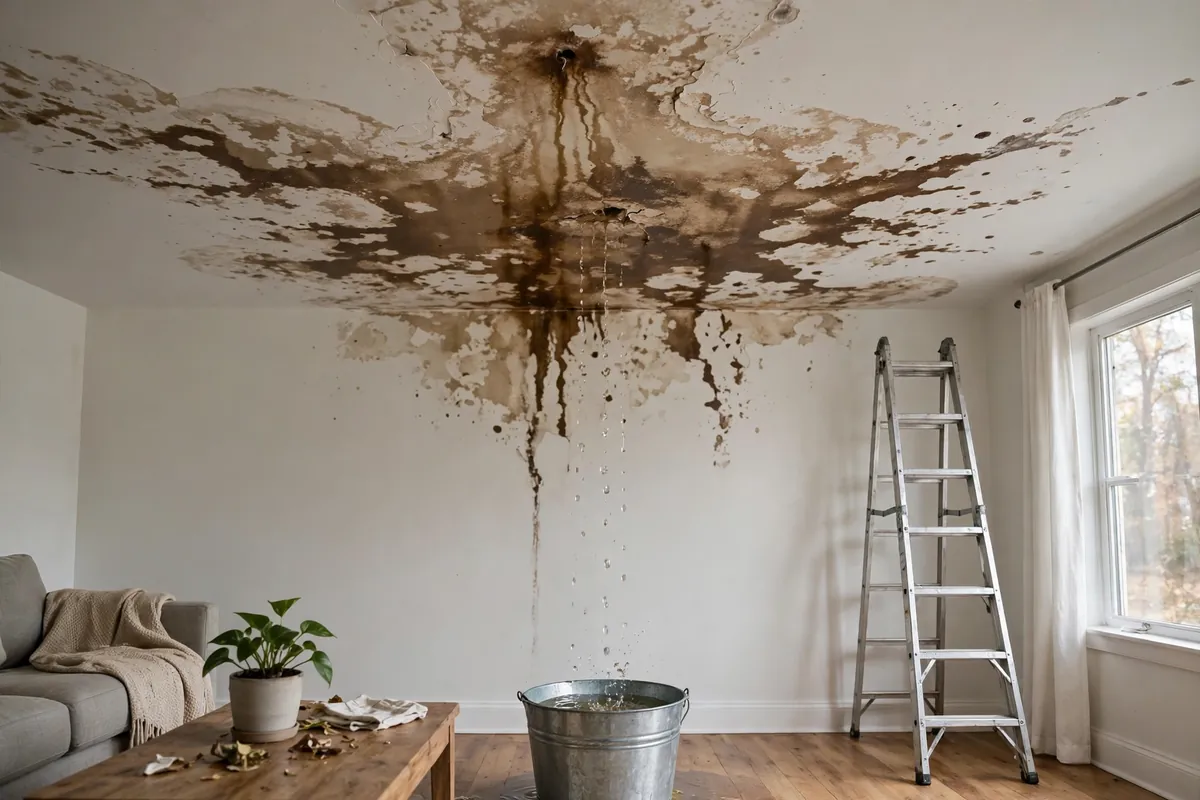
Not every storm loss announces itself with water on the floor. Wind-lifted shingles and cracked flashing can leak into the attic for weeks, wetting insulation and ceiling drywall a little at a time, until a brown ceiling stain or a soft spot announces damage that has been growing since the last big blow. In slab homes, that slow ceiling water eventually runs down inside wall cavities to the floor line.
Cleanup for a roof-leak loss focuses on the hidden side: moisture mapping of the ceiling and walls, drying the cavity before mold establishes in the warm attic-side paper, and treating affected materials. The roof repair itself belongs to a roofing contractor. The professionals you are connected with handle everything the water did once it got inside, and their moisture documentation shows the roofer exactly where the water traveled.
Neighborhoods Served Across The Colony
Storm response is connected across ZIP 75056. Shoreline exposure hits Stewart Peninsula and The Tribute first when lake storms come in hard; drainage overflow reaches low streets in Austin Ranch and the Cascades; mature trees in North Colony and Legend Crest make limb-and-roof breaches the common call there.
From lakefront streets in Stewart Peninsula to the townhomes around Austin Ranch and family subdivisions off FM 423, connected crews work across every part of ZIP 75056, including The Tribute, Cascades at The Colony, Legend Crest and North Colony. Wherever the water is, the response starts with one call to (972) 430-3265.
Before Help Arrives: Safe Steps After a Storm
After a storm, the damage you can see is only part of the picture. Safety comes first, then stopping new water, then a record of what happened.
- Stay clear of downed power lines and report them to the utility. Treat every fallen wire as live.
- Do not climb onto a wet or damaged roof. Leave tarping to a roofer or restoration crew with the right equipment.
- Catch active drips with buckets and move furniture, rugs and electronics away from them.
- Check ceilings for bulges. A sagging patch is holding water. Keep people out from under it.
- Look in the attic from the access hatch with a flashlight if it is safe. Wet insulation and dark decking show where water is coming in.
- Photograph outside and inside, including the roof from the ground, broken windows, fallen limbs and every water stain, before cleanup starts.
If a tree limb has broken through the roof or a window is out, cover the opening from the inside with plastic sheeting if you can do it safely from the floor. Do not use a ladder in the dark or in the rain.
Questions to Ask the Contractor Before Storm Cleanup Starts
Storm jobs often involve more than one trade: a roofer, a tree service and a water damage contractor. The contractors reached through this line are independent local businesses, and these questions help you keep the work in the right order.
- Who is stopping the water from coming in? A temporary roof cover or board up should come before interior drying.
- How will you check the attic, ceiling and wall cavities? Storm water travels along framing before it shows on drywall.
- What needs to be removed now, and what can wait? Ask for the reason behind each removal.
- How will drying be confirmed? Daily moisture readings are the standard to look for.
- What paperwork will I receive? A written scope, photos and a moisture log help you track the job.
Ask to see each contractor's license and insurance, and be cautious with anyone who knocks on doors after a storm asking for payment up front.
Storm Damage Cleanup: Common Questions
What counts as storm water damage?
Any water entering because of weather: wind-driven rain through a damaged roof, leaks around windows and flashing, rising water from overwhelmed drainage, and breaches from fallen limbs. In The Colony, lake-effect storms off Lewisville Lake can push water into shoreline and low-lying homes very quickly.
Should the roof be covered before cleanup starts?
Yes. Stopping new water entry comes first. If the roof is breached, emergency covering (tarping) by the responding professionals protects the interior while extraction and drying proceed inside. Never climb onto a wet, damaged roof yourself; that assessment belongs to the crew with the right equipment.
How fast does mold follow storm water?
In Texas heat and humidity, 24 to 48 hours. Storm losses are especially risky because water hides (inside wall cavities, under flooring, above ceilings) while surfaces look dry. Moisture mapping after a storm finds the hidden pockets before they become colonies.
What should I photograph after a storm?
For your own records: the entry points (roof damage, window lines), water marks on walls, affected rooms and belongings, and debris lines showing how high water rose. Photograph before anything is moved or removed, then let the mitigation crew add their own moisture documentation as work proceeds.
Do you handle roof leaks, or only flooding?
Both kinds of water damage. Ceiling and roof-leak water cleanup (containing the drip, extracting water, drying the ceiling and wall cavities, treating for mold prevention) is core storm work. The roof repair itself belongs to a roofing contractor; our connected professionals handle everything the water did inside.