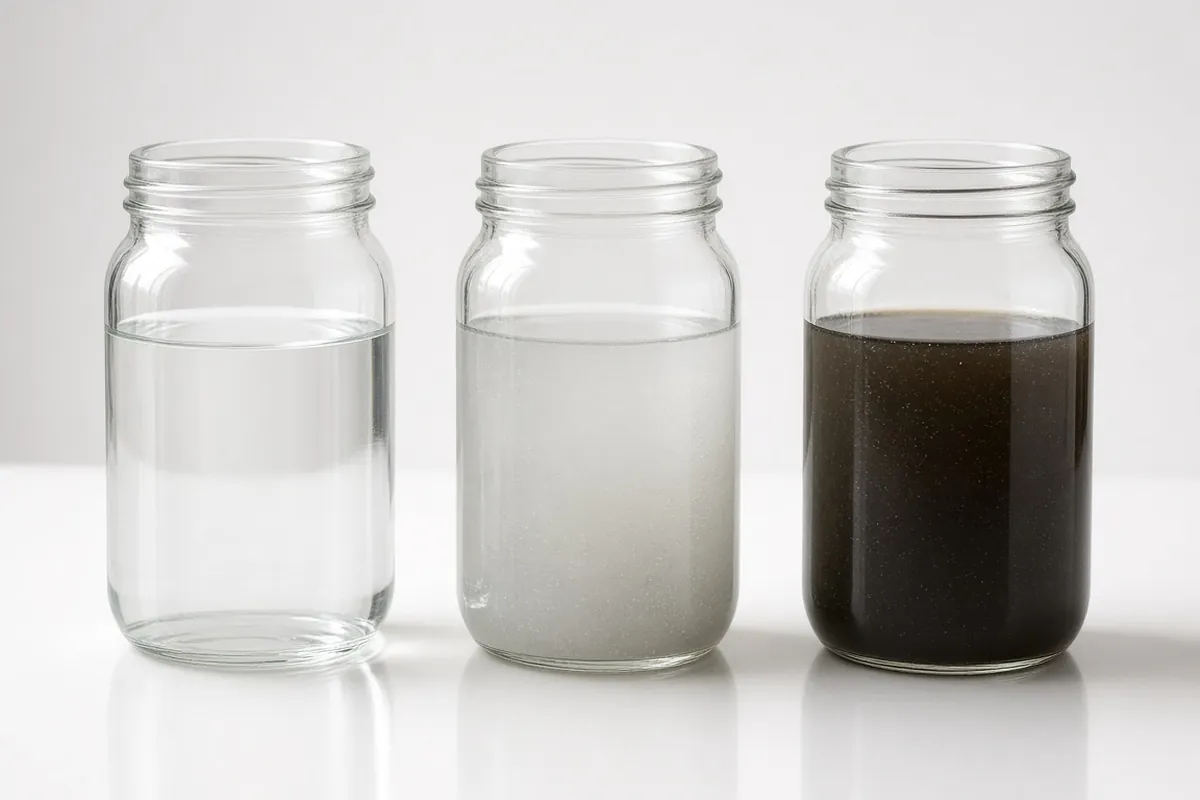
Why the category matters
Two floods can look identical and need completely different cleanups. Water from a burst supply line can often be extracted and the room dried with carpet and drywall left in place. The same amount of water from a sewer backup means the carpet, pad and lower drywall usually have to go. Knowing the category helps you decide what is safe to handle yourself and what is not.
Category 1: Clean water
Water from a sanitary source that does not carry a significant health risk at the moment it escapes.
- Burst or leaking supply lines and fittings.
- A failed water heater tank.
- An overflowing sink or bathtub with no soap or waste in it.
- Melting ice or rainwater coming straight through a roof.
Clean water does not stay clean. Once it soaks through carpet, picks up dirt from the floor or sits for a day or two in warm weather, it starts to grow bacteria and becomes Category 2. That is one reason fast water extraction matters.
Category 2: Gray water
Water with enough contamination to make people sick if they touch or swallow it.
- Discharge from a washing machine or dishwasher.
- A toilet overflow with urine but no feces.
- Leaks from aquariums or waterbeds.
- Clean water that has sat for a day or more, or picked up dirt.
Wear gloves and avoid skin contact. Porous items such as carpet pad that sit in gray water for long are often removed rather than dried.
Category 3: Black water
Grossly contaminated water that can carry bacteria, viruses and other pathogens.
- Sewage backups and toilet overflows with feces.
- Flood water from outside: rivers, creeks, storm runoff and lake overflow.
- Any water that has sat long enough to grow mold or smell foul.
Do not clean black water yourself. Keep people and pets away, do not run fans or the HVAC in that area, and do not track it through the house. Affected carpet, pad, insulation and the lower part of drywall usually have to be removed and the area disinfected. See sewage cleanup and flood damage restoration.
What this means in The Colony
Freeze-split pipes in winter are usually clean-water losses, if they are caught quickly. Spring storms can push runoff into garages and low rooms, and homes near Lewisville Lake can see rising water, which is always treated as black water. Older drain lines and heavy rain can also cause sewer backups through floor drains and toilets. Our storm season guide covers how to prepare.
Quick reference
- Clean water, caught fast: stop the source, remove belongings, start drying.
- Gray water: gloves on, keep it off skin, expect padding to be removed.
- Black water: stay out, keep air systems off in that area, call a professional.
Not sure what category your water damage is?
Call 24/7: (972) 430-3265The Colony Water Damage is a free referral service. Your call connects you with an independent local contractor.